

GC Living
Custom Louvres
Custom Louvres
- Est. Delivery: 2-4 weeks
- Free site visits in Auckland and Waikato
Couldn't load pickup availability
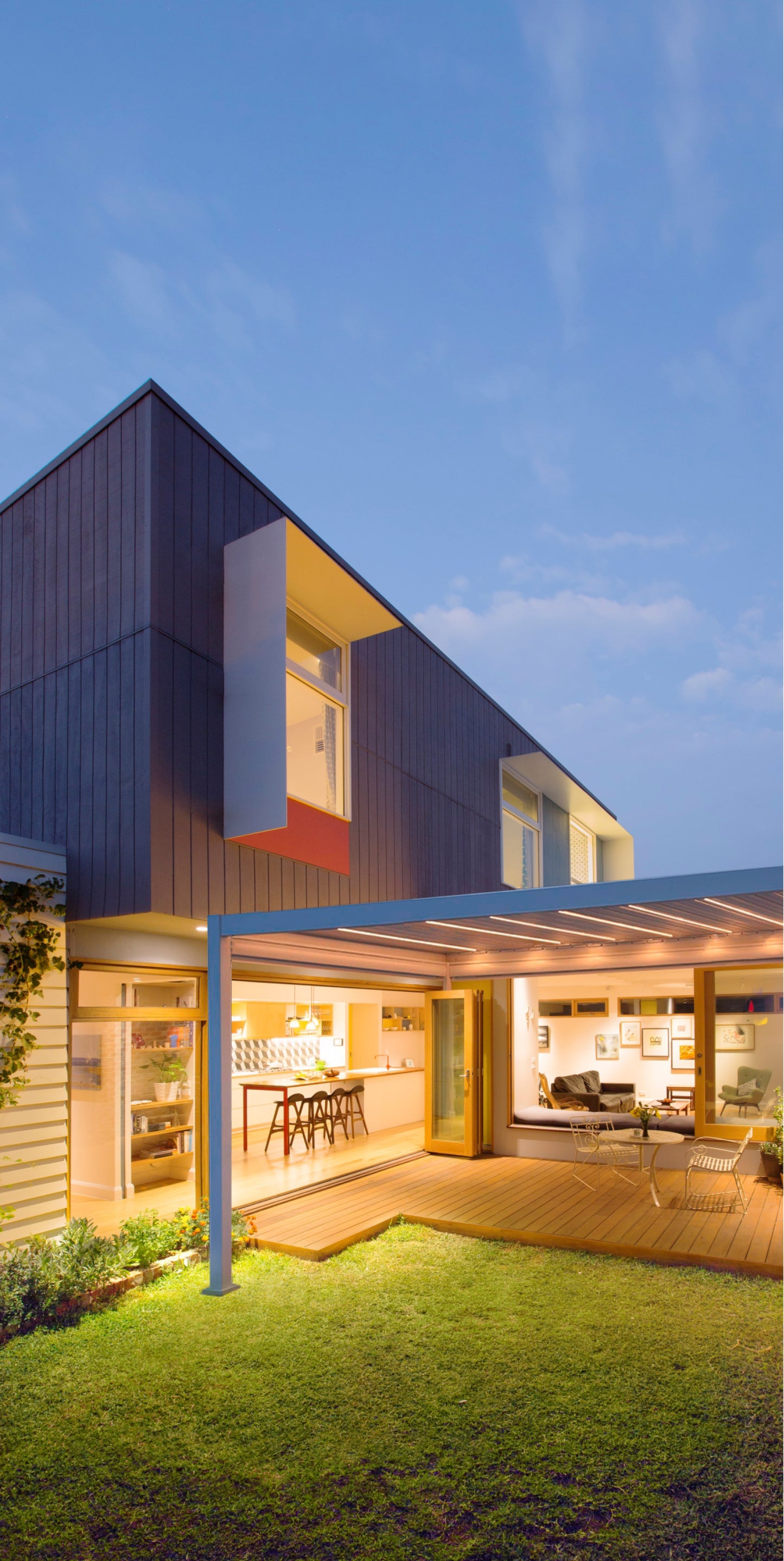
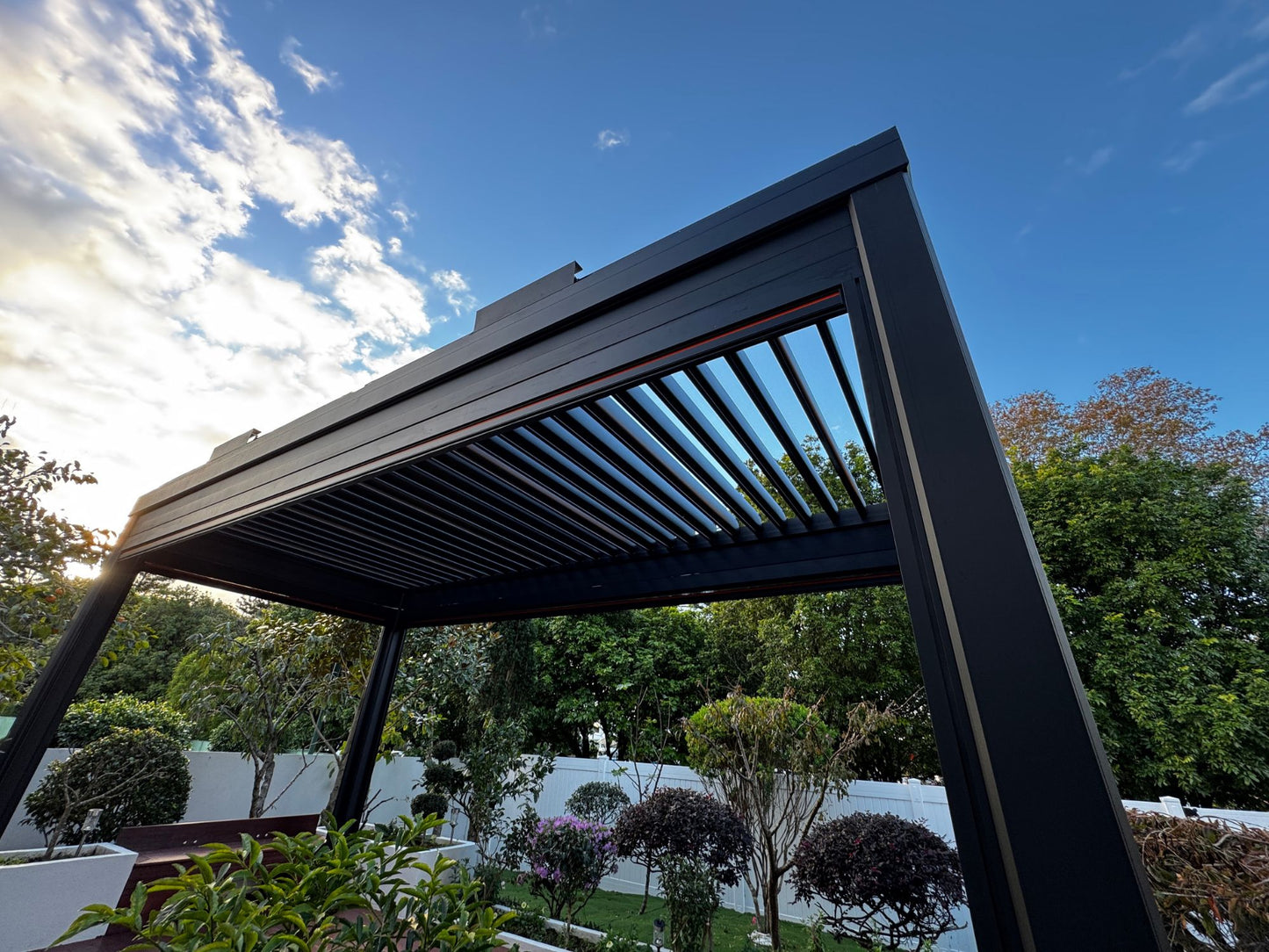
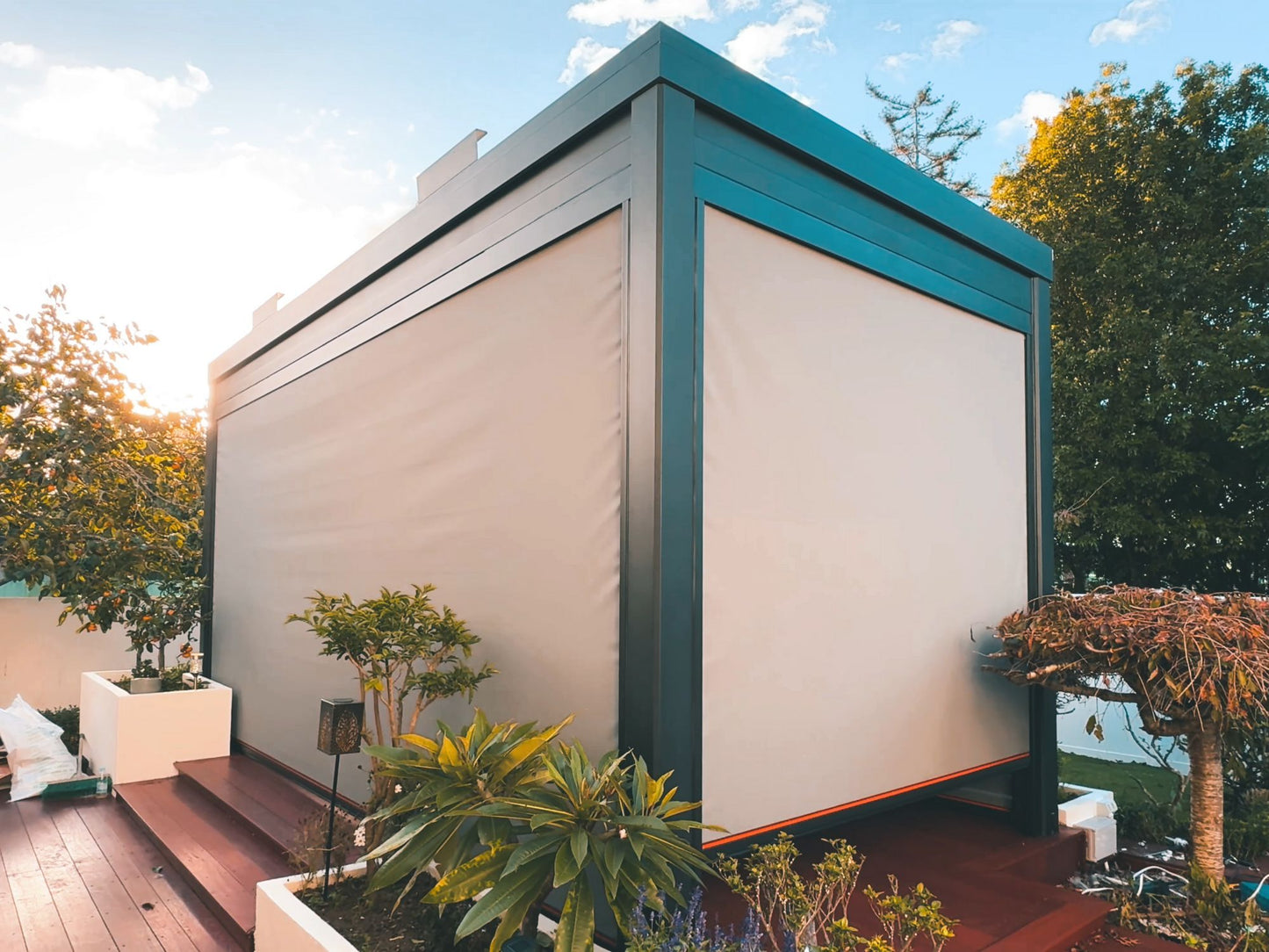
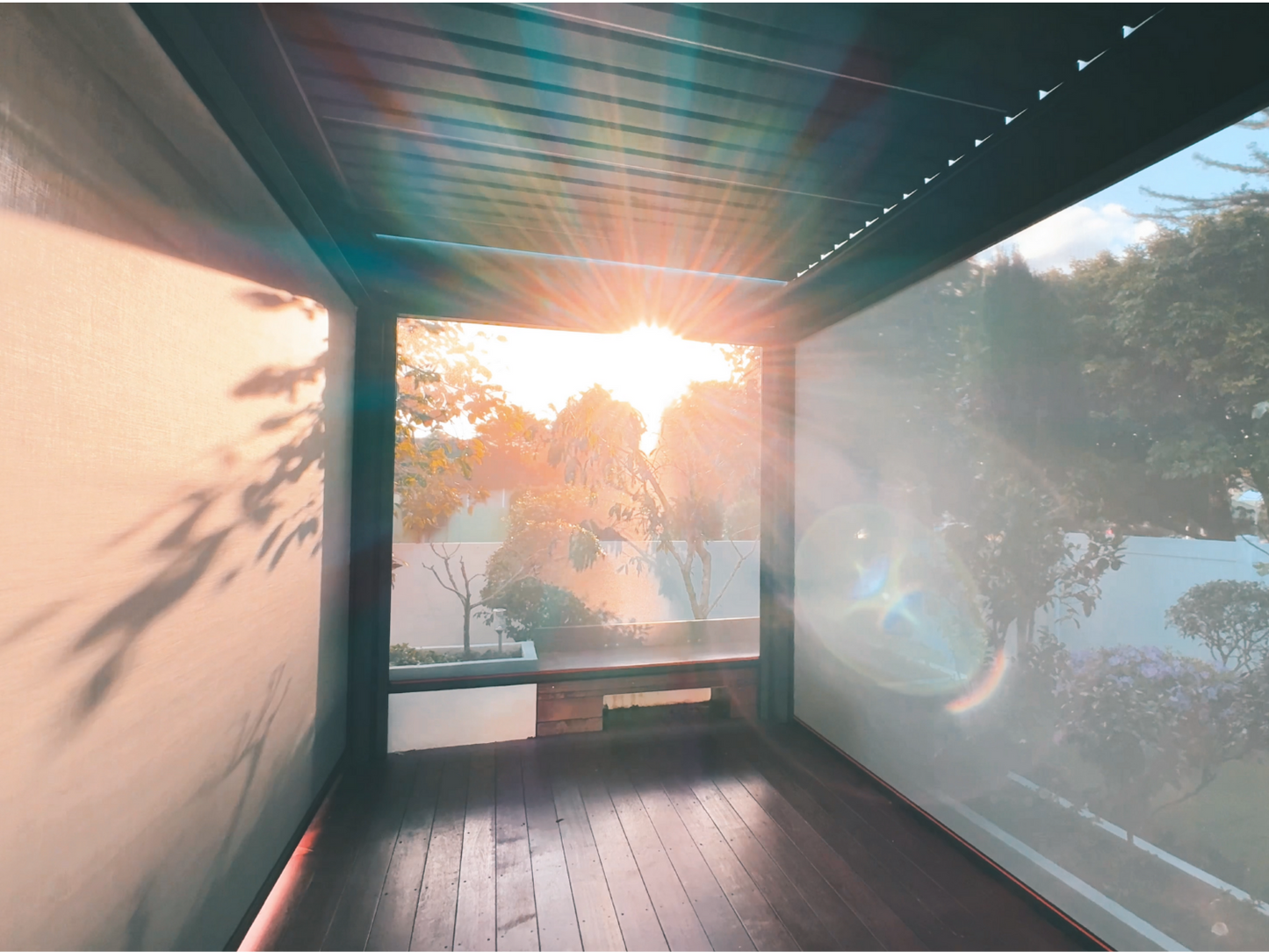
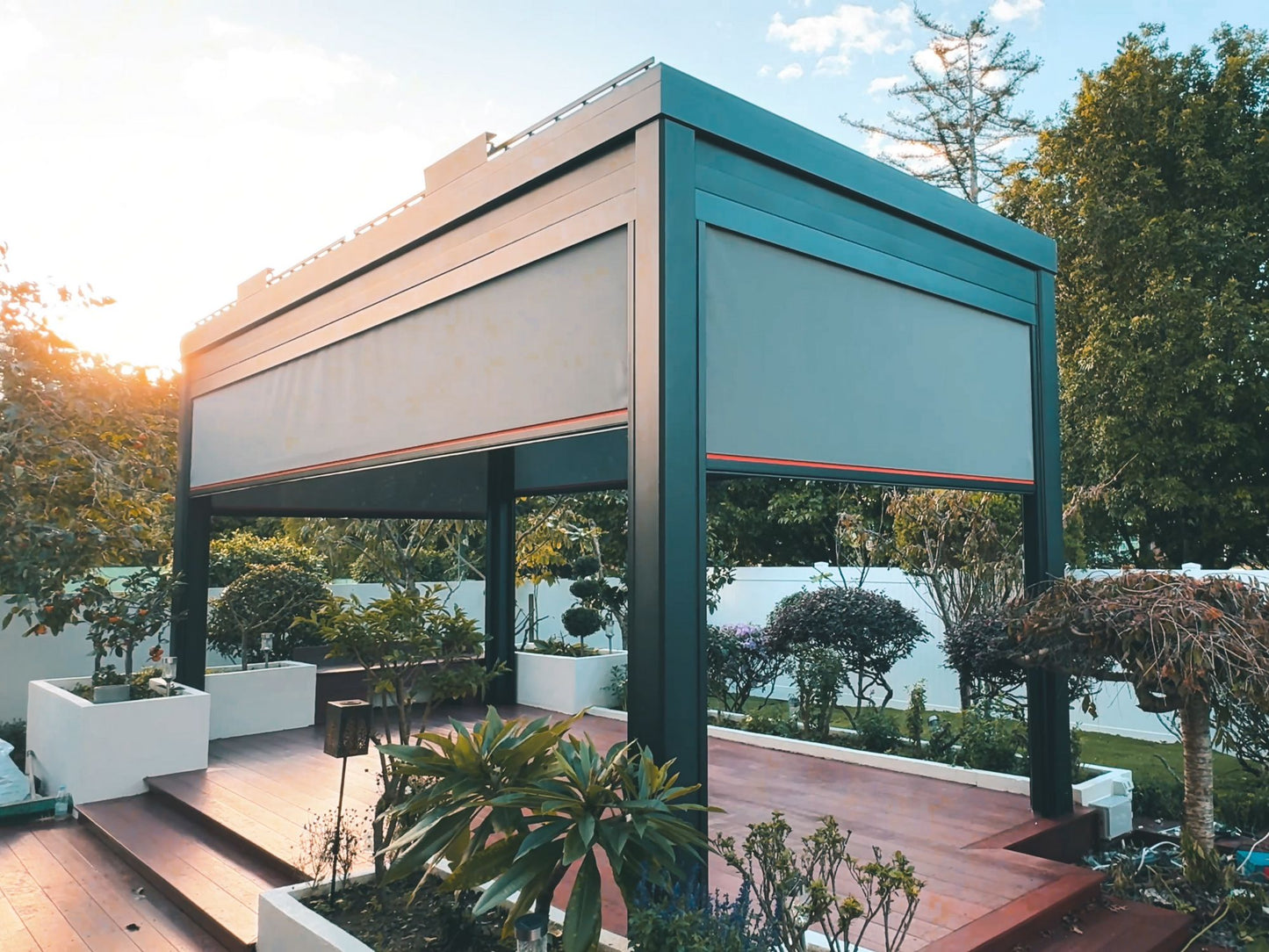
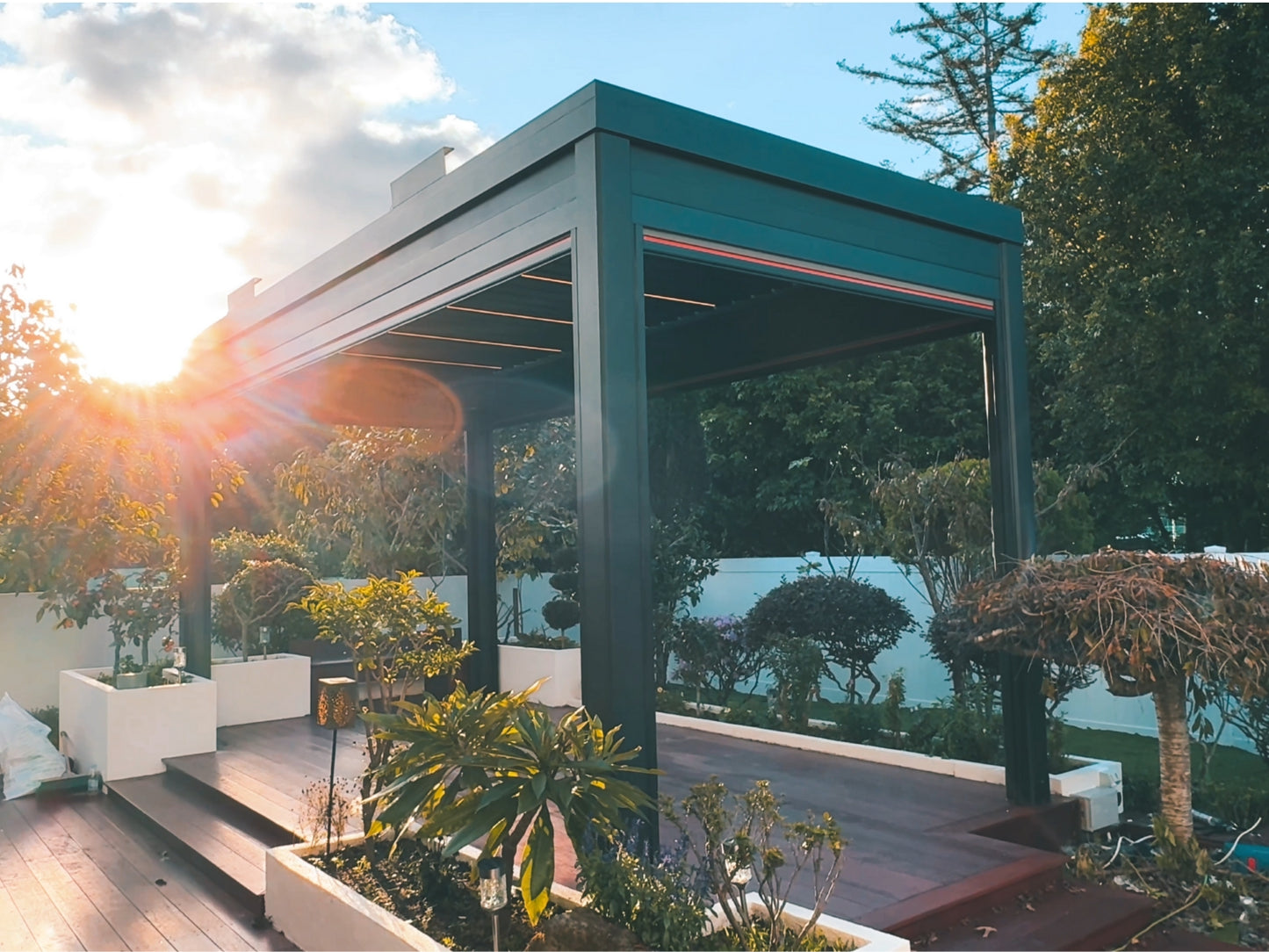
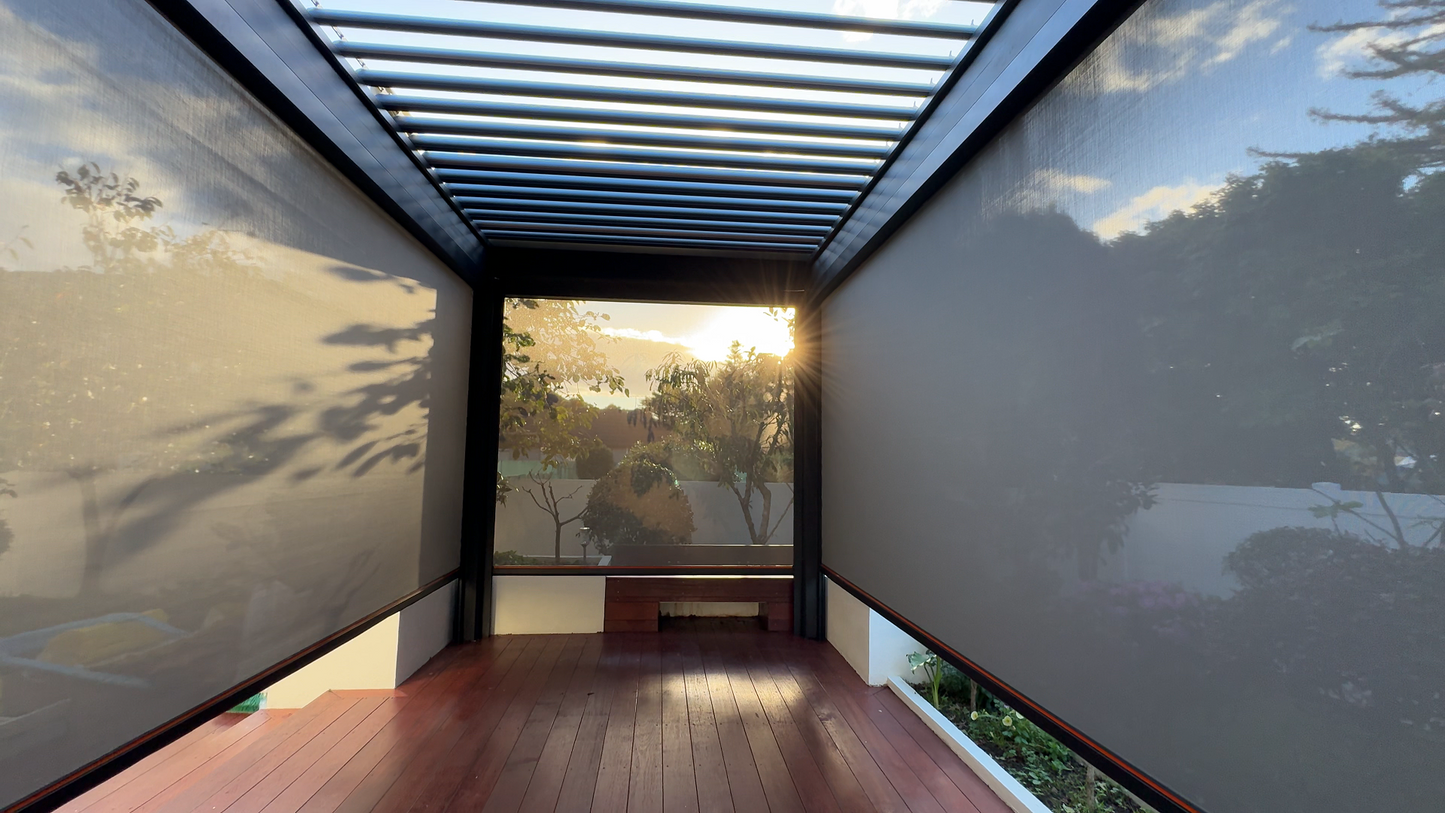
Make the patio the place you actually live in.
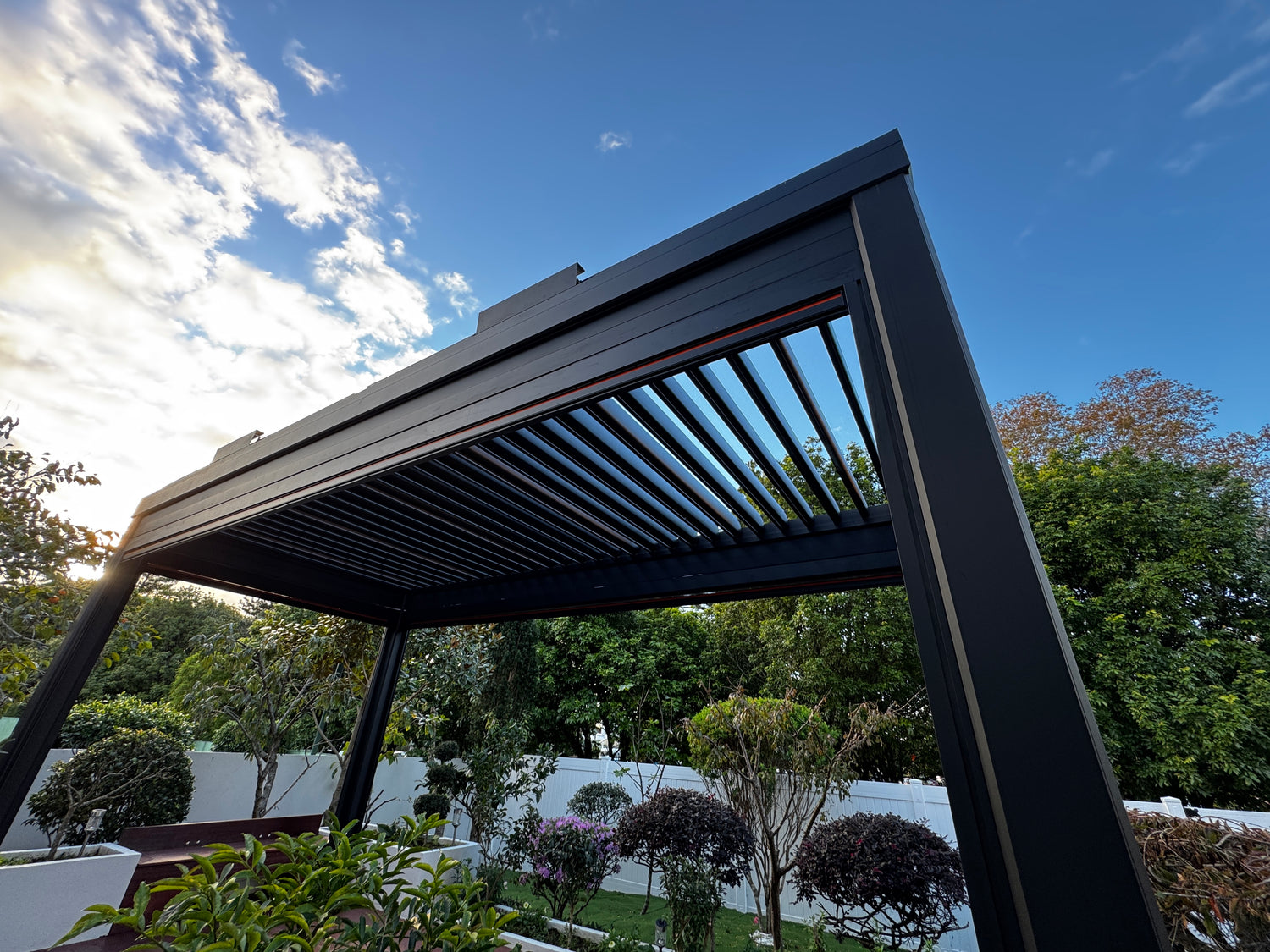
Light / Medium / Heavy — Three Tiers, Three Budgets
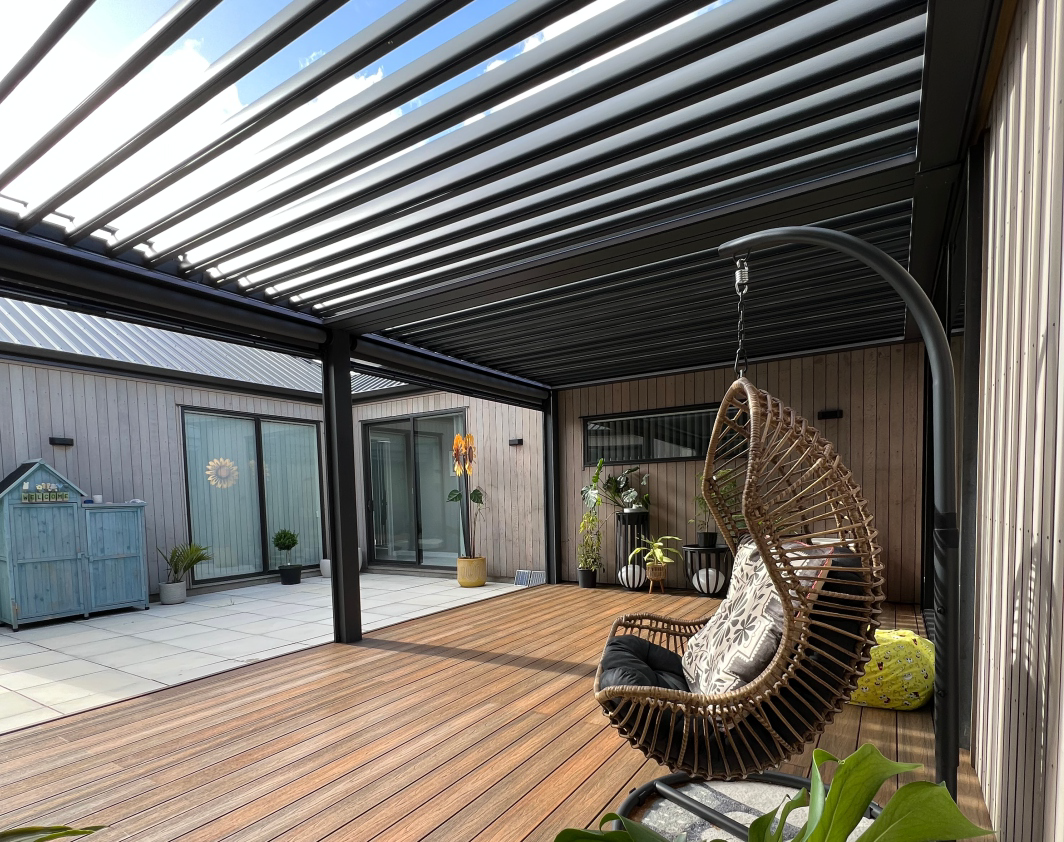
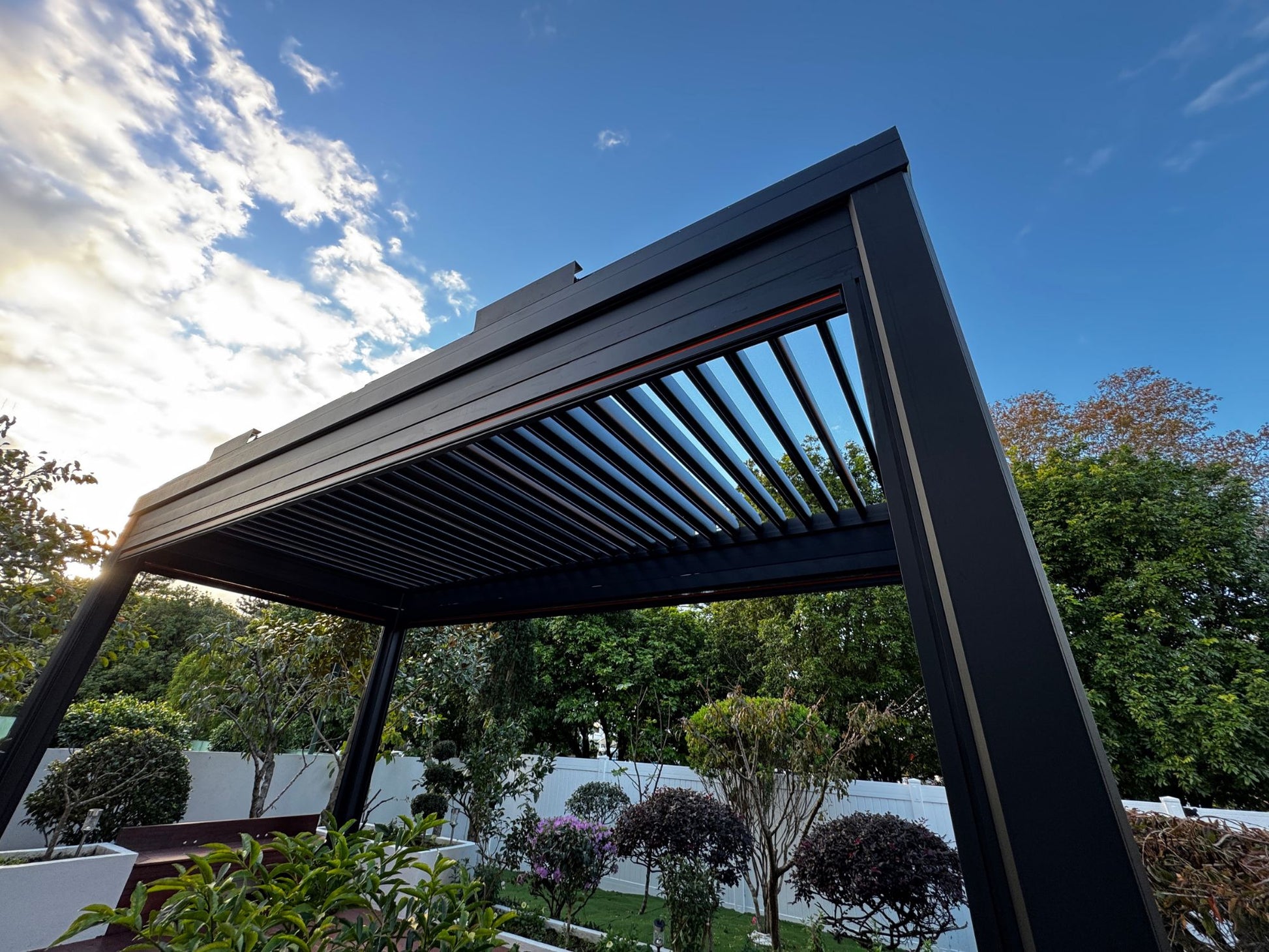
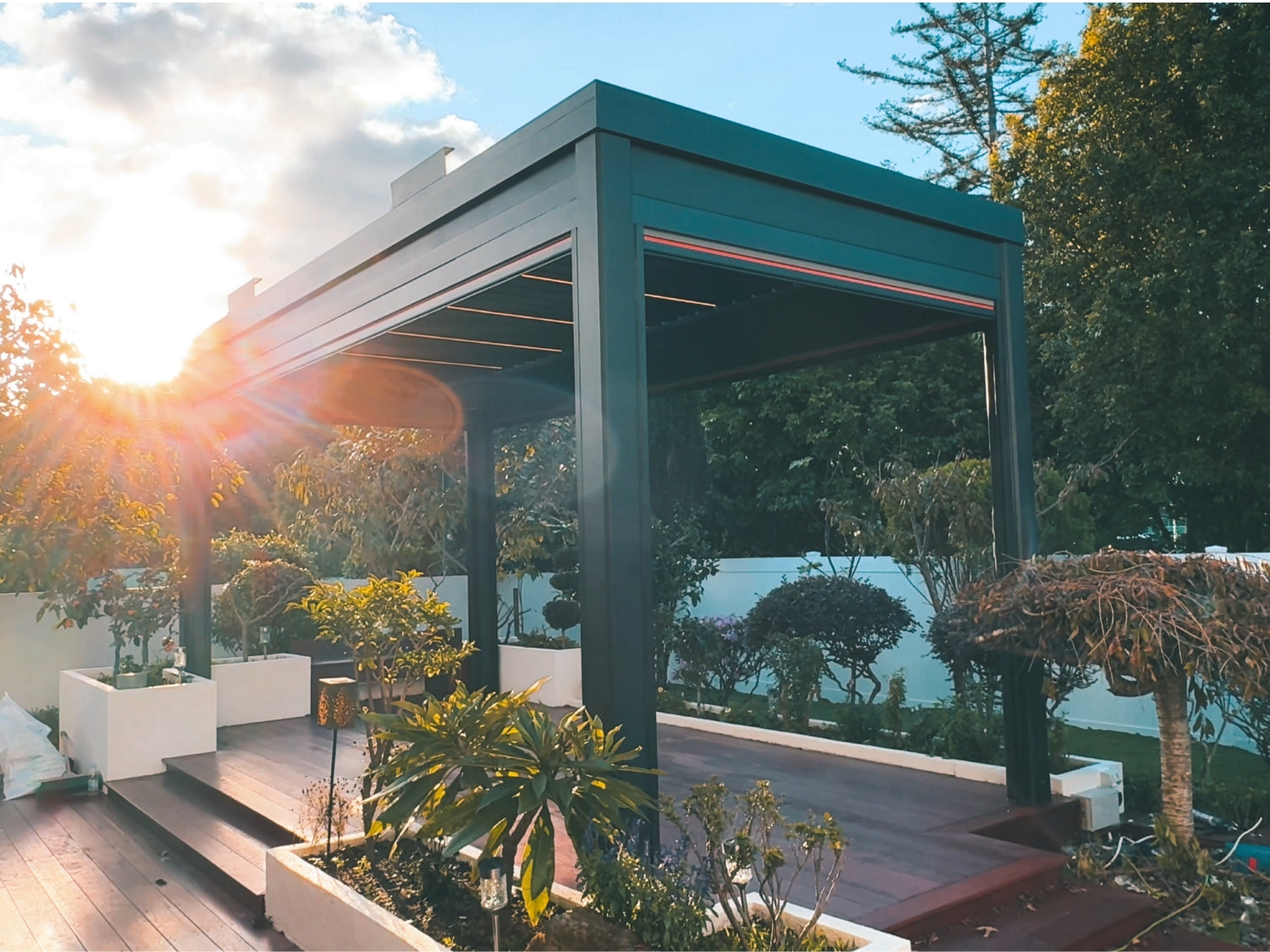
Our louvre roofs come in three structural tiers — Light, Medium and Heavy Duty.
Each tier uses different post size, blade profile and drainage capacity, designed for different budgets and performance needs.
From cost-effective coverage for everyday patios to heavy-duty systems built for high wind and high rainfall areas — we match the system to how you actually live and use the space.
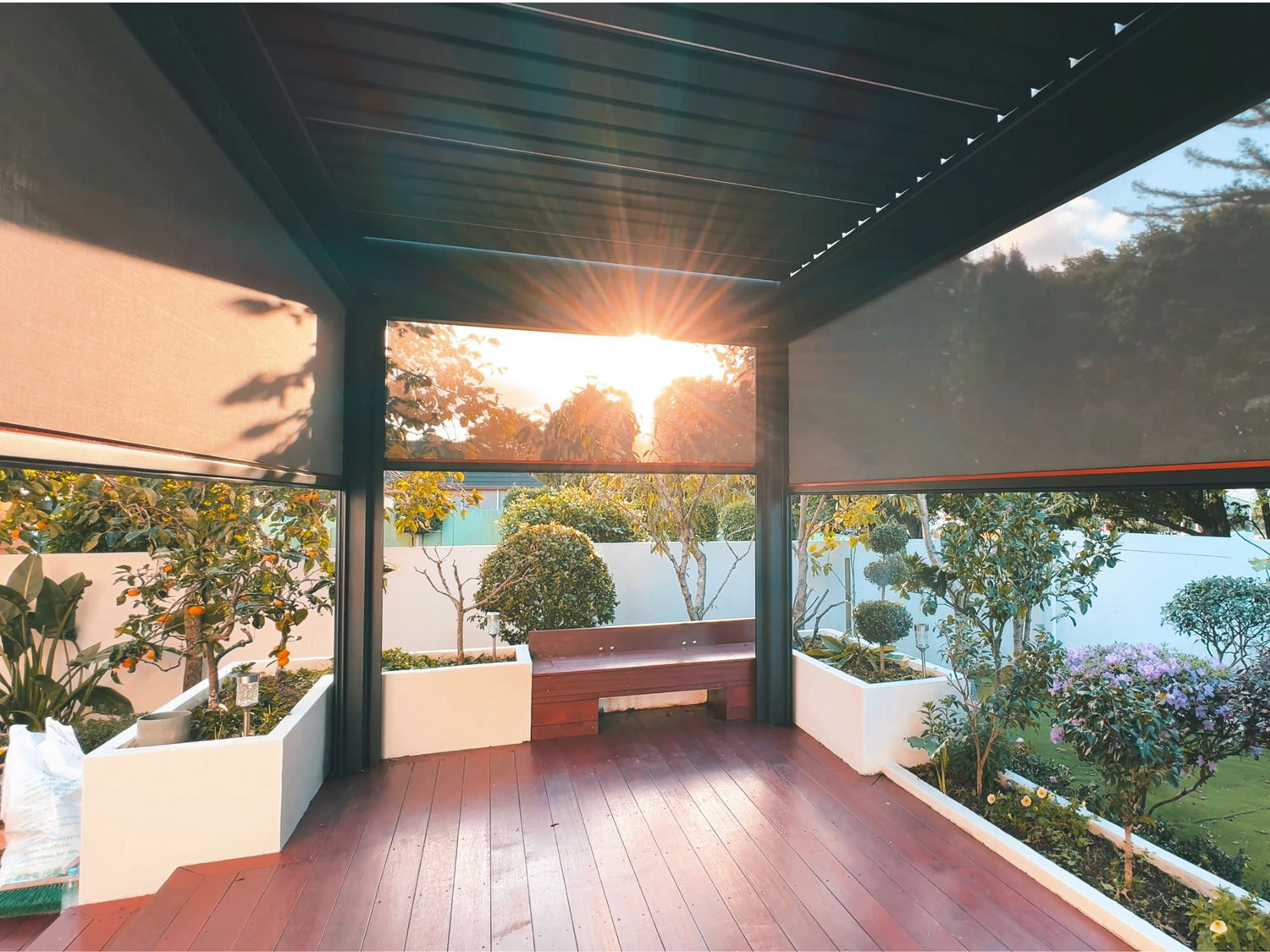
Complete It with Glass, Blinds or Shutters
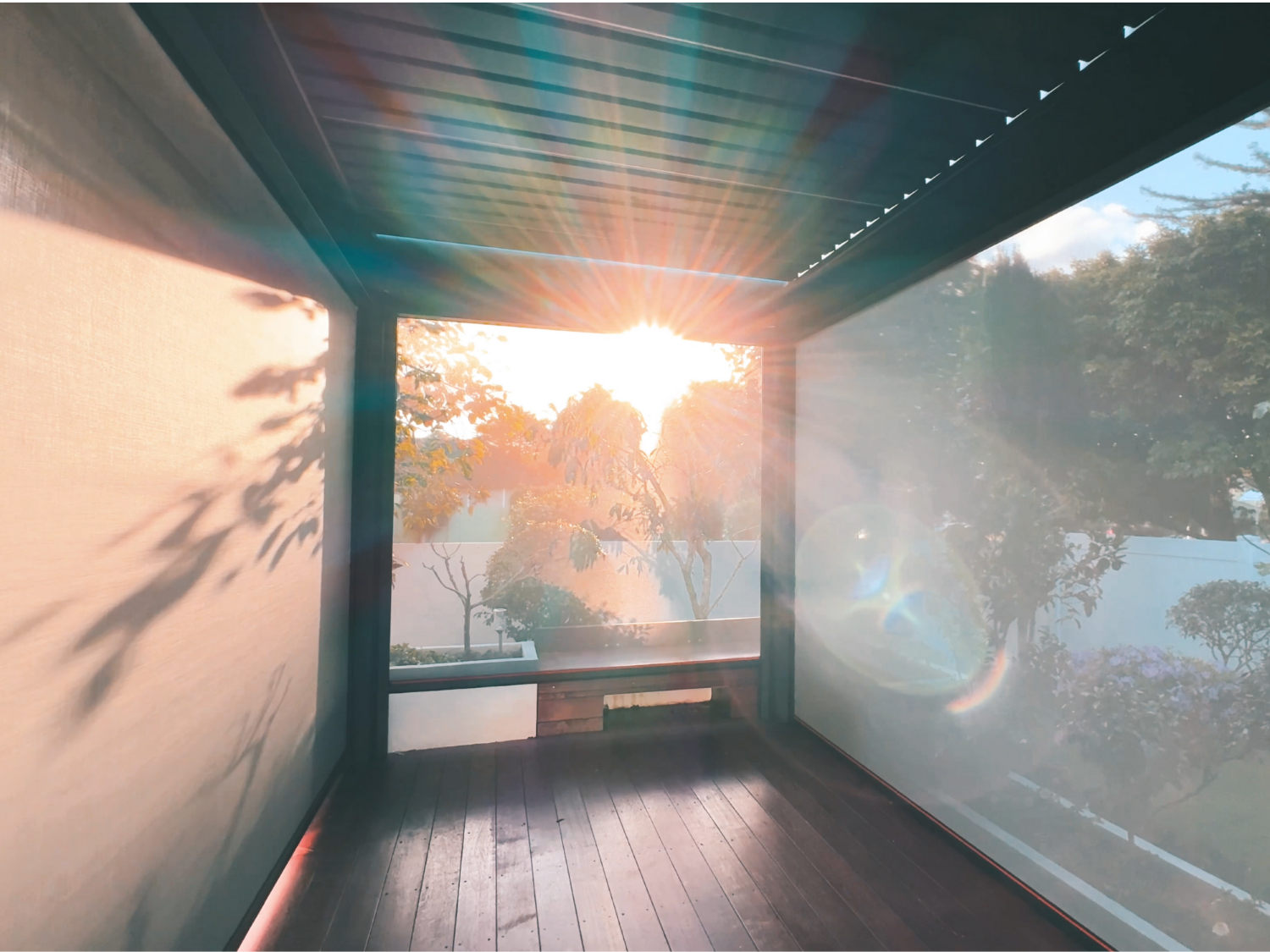
A louvre roof becomes a real room only when the sides are considered.
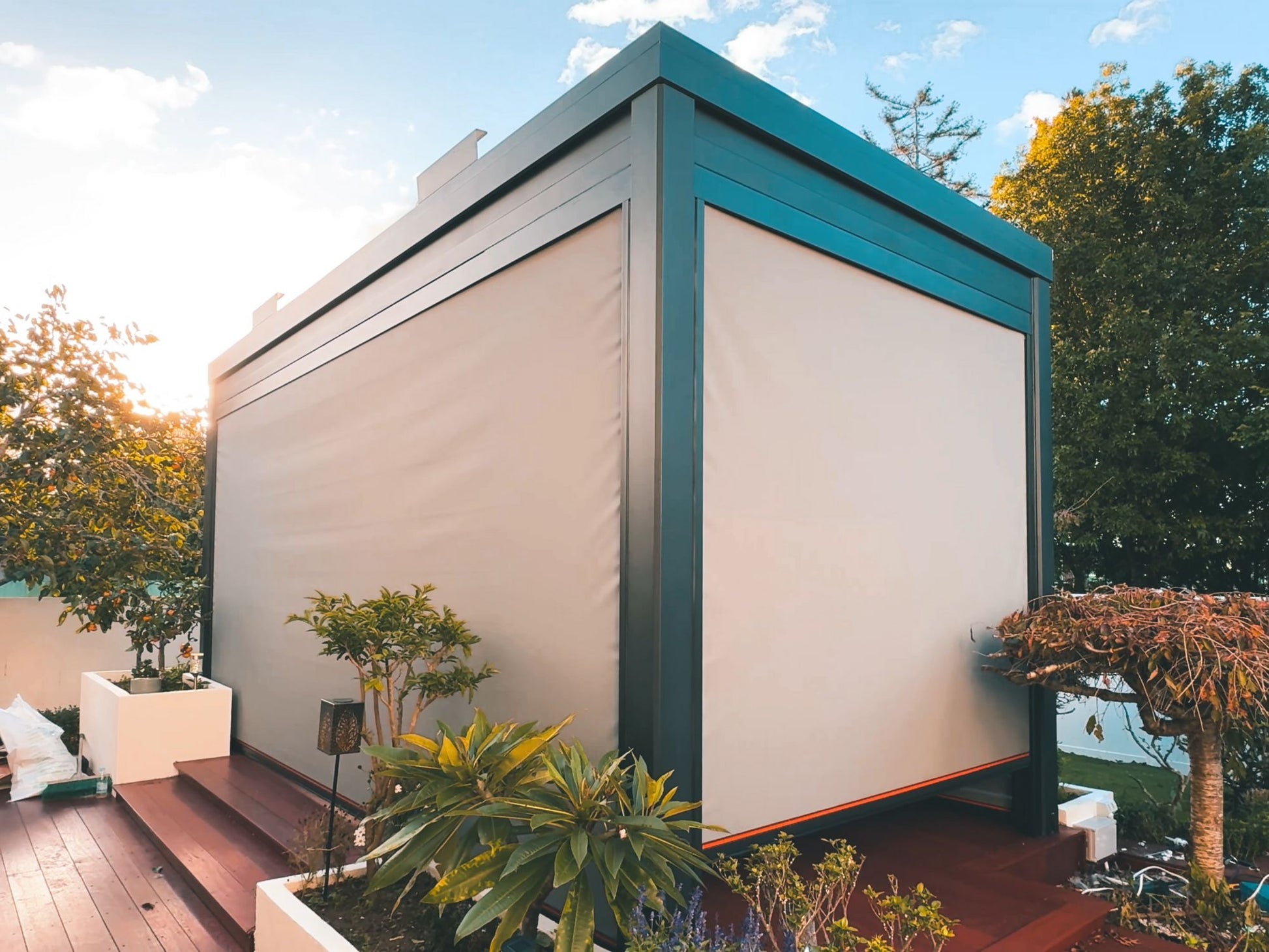
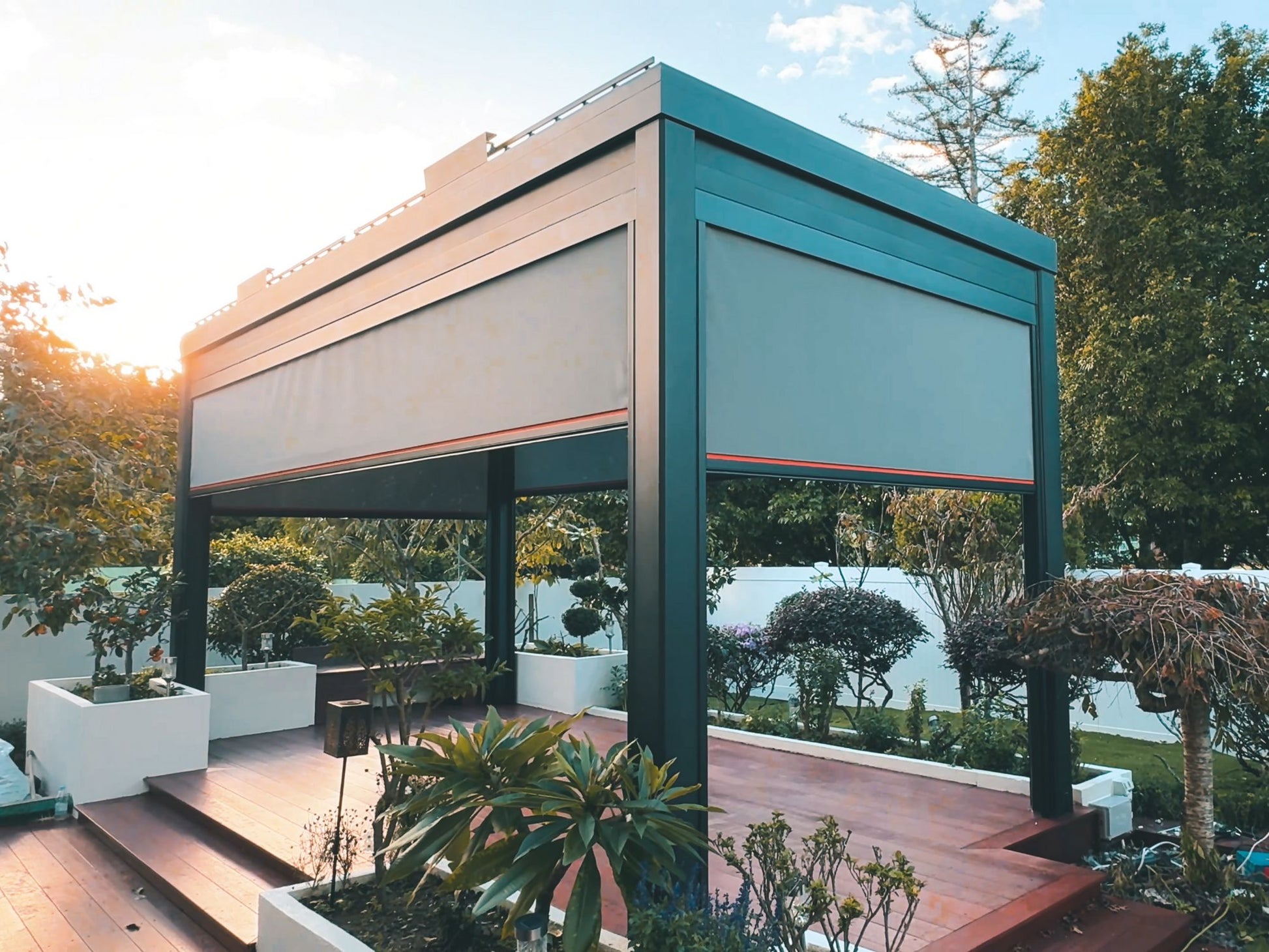
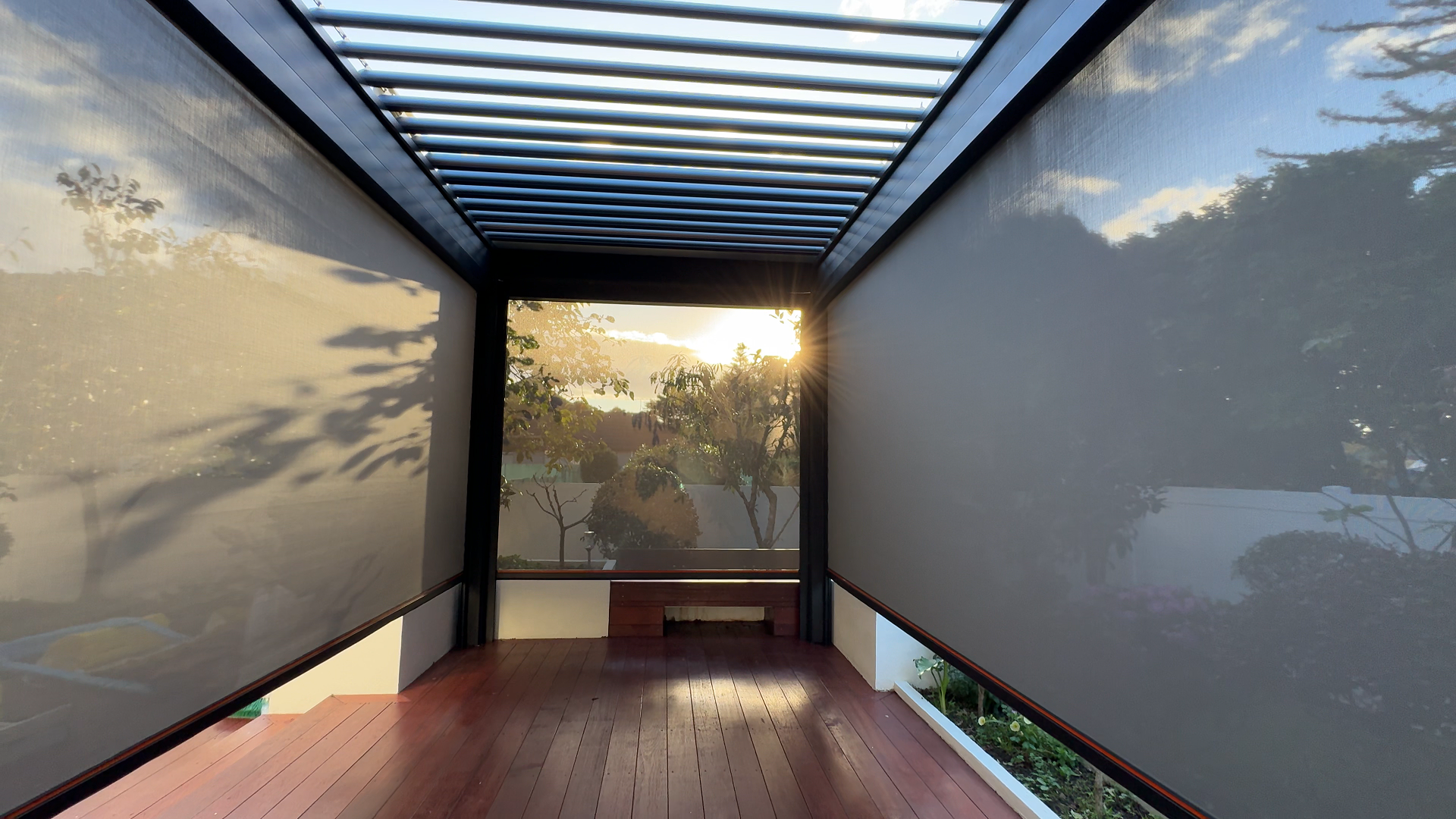
You can pair it with glass sliding doors for a clean panoramic look, wind-break roller blinds for budget-friendly comfort, or aluminium shutter panels for privacy and ventilation control.
Combine them to create a space that works in summer heat, winter wind, and every day in between.
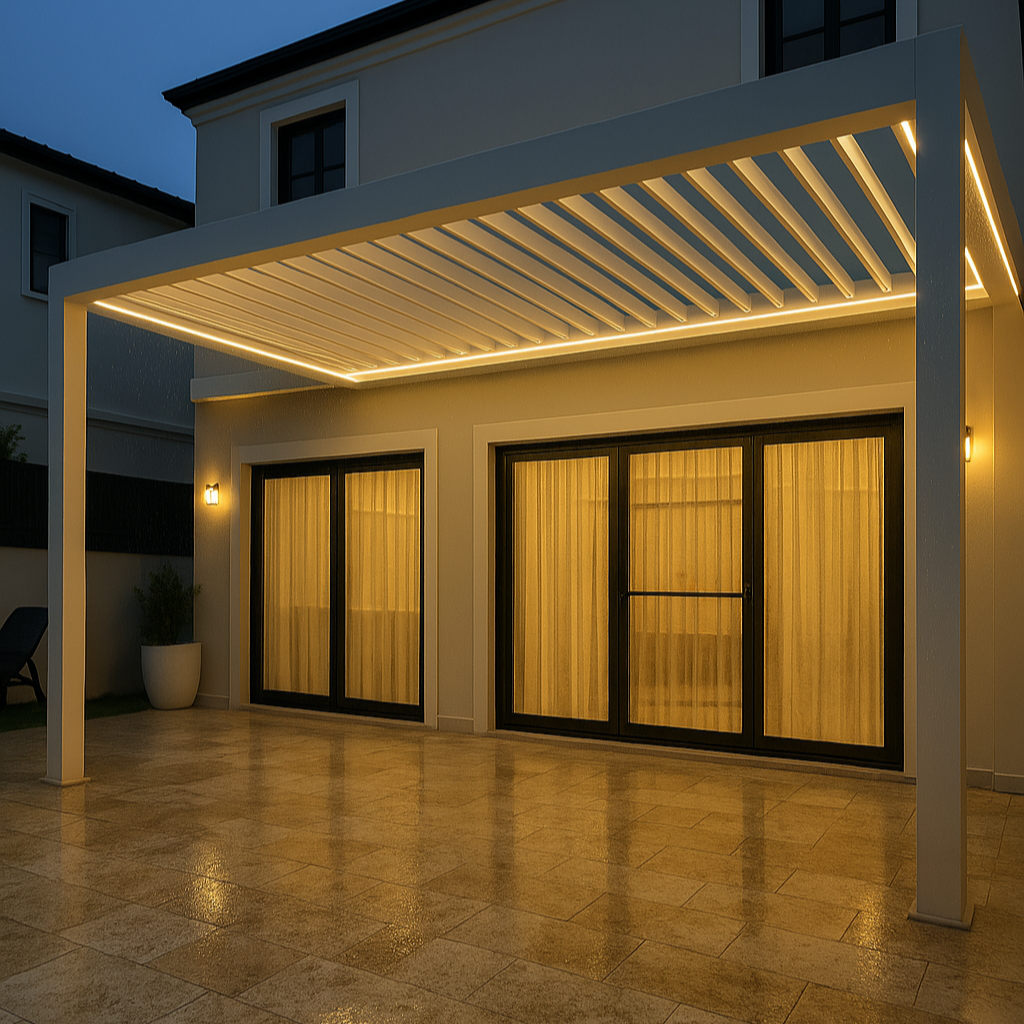
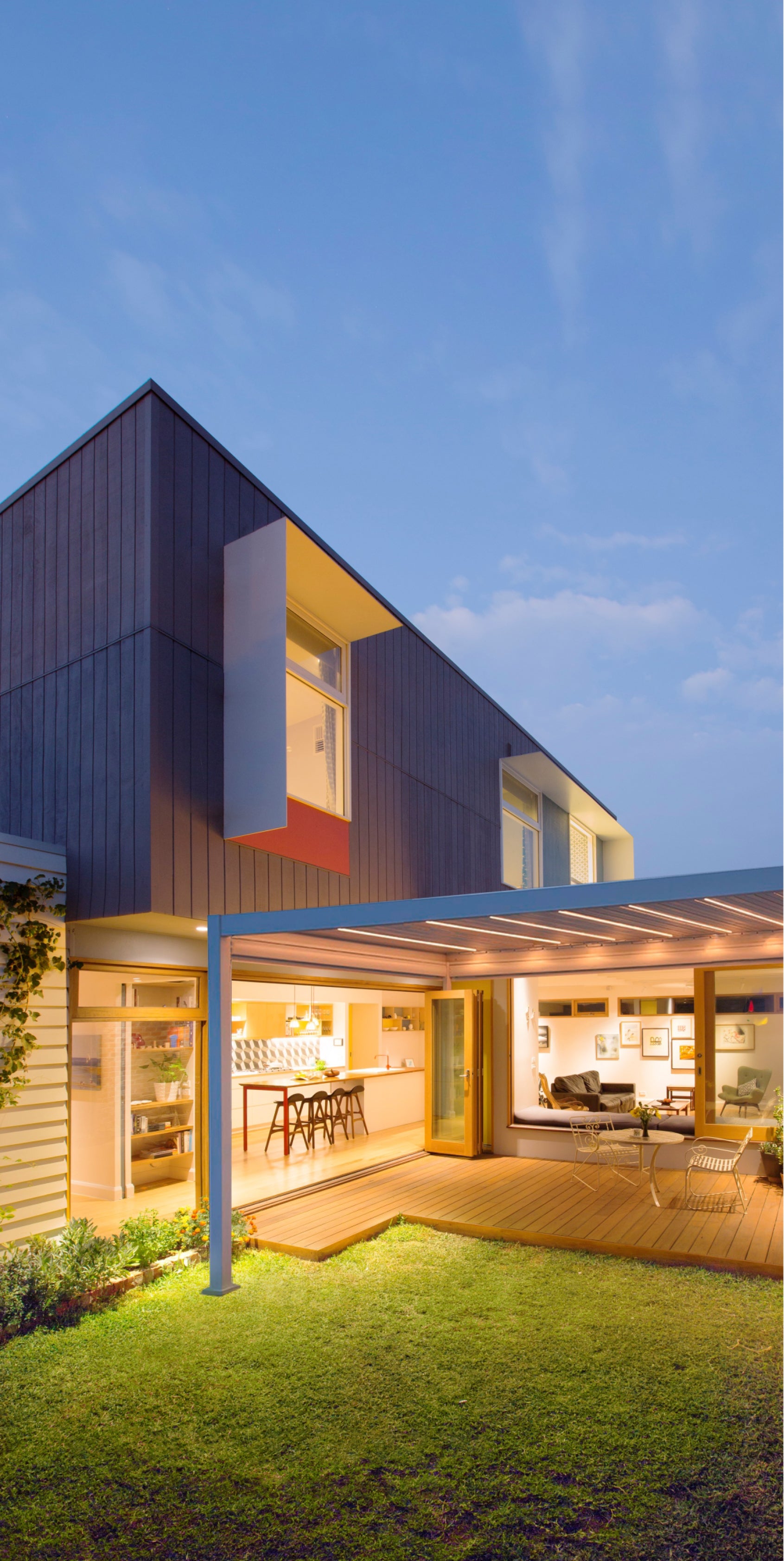
Elevate your outdoor lifestyle with GC Living. We provide premium, custom-engineered louvre roof systems in Auckland. Featuring marine-grade aluminium, smart rain sensors, and integrated LED lighting. Built for NZ’s high wind zones with 10+ years warranty. Get your free measure & quote today!
#Louvre Roof Auckland #Opening Roof Systems #Aluminium Pergola NZ
Aluminium Louvre Roof – FAQs & Comparisons
What is an aluminium louvre roof system?
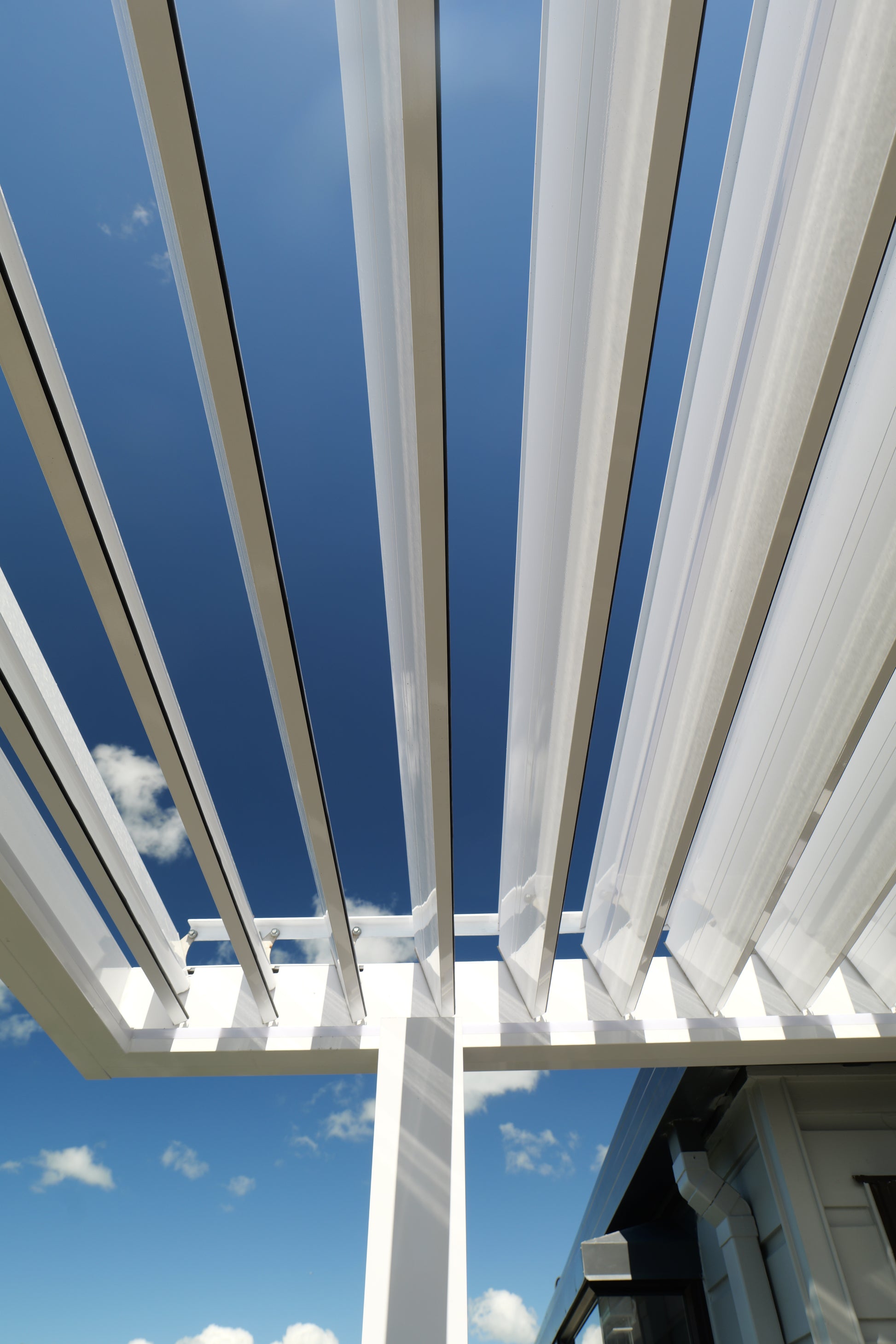
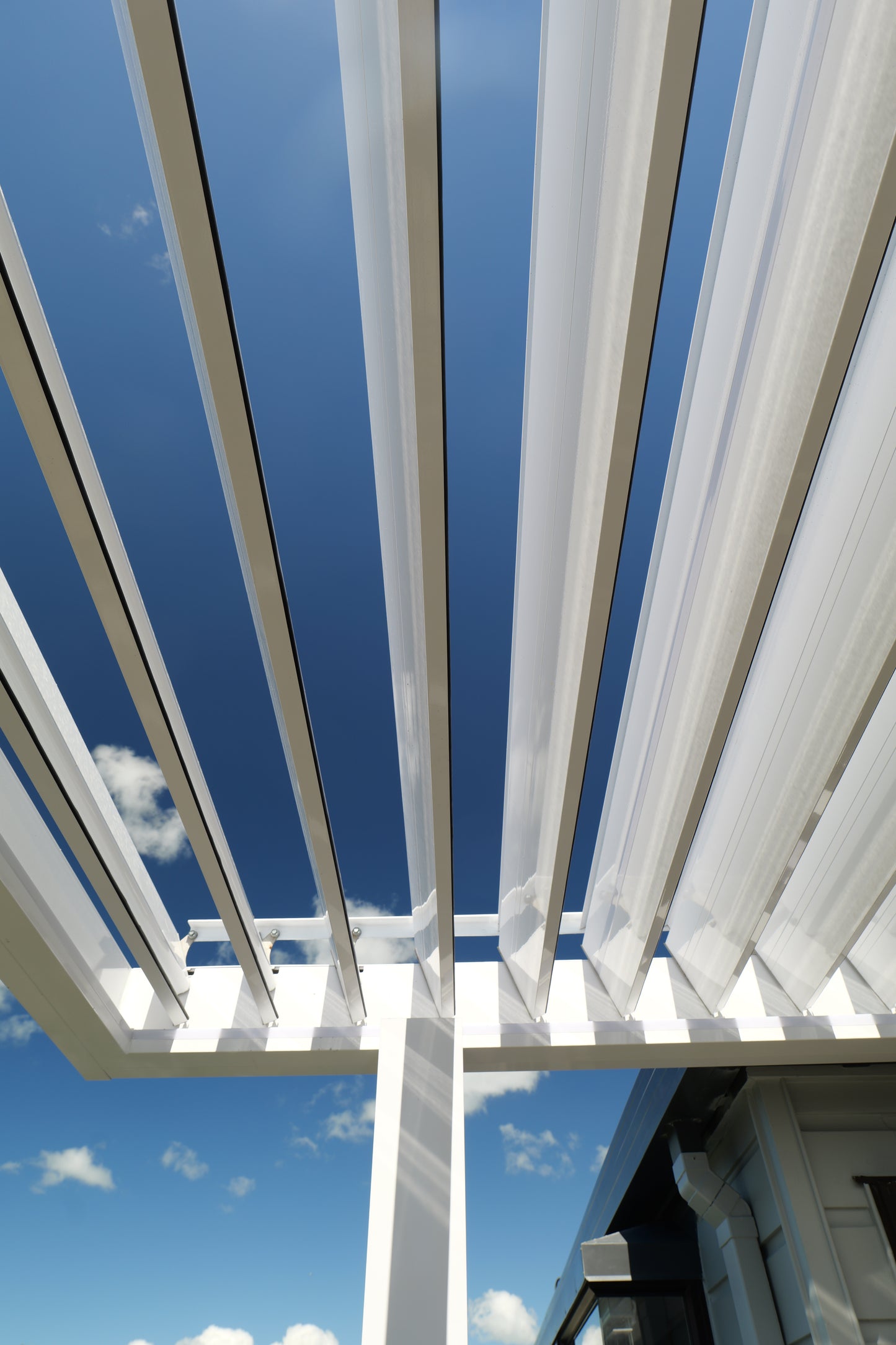
An aluminium louvre roof system uses adjustable aluminium blades to control sunlight, airflow, and rain protection, making it suitable for year-round outdoor use.
Are louvre roofs waterproof when closed?
When fully closed, louvre roofs are designed to channel rainwater through integrated drainage systems. Performance depends on correct installation and slope.
What is the difference between the 220 and 183 louvre roof systems?
The 220 system is a heavy-duty design with larger blades and stronger structural capacity, while the 183 system is a standard-duty option suited for smaller spans and more sheltered areas.
Do louvre roofs require building consent in New Zealand?
Some louvre roofs under 30 square metres and non-enclosed may not require building consent, but this depends on wind zone, fixing method, and council requirements. A site assessment is recommended.